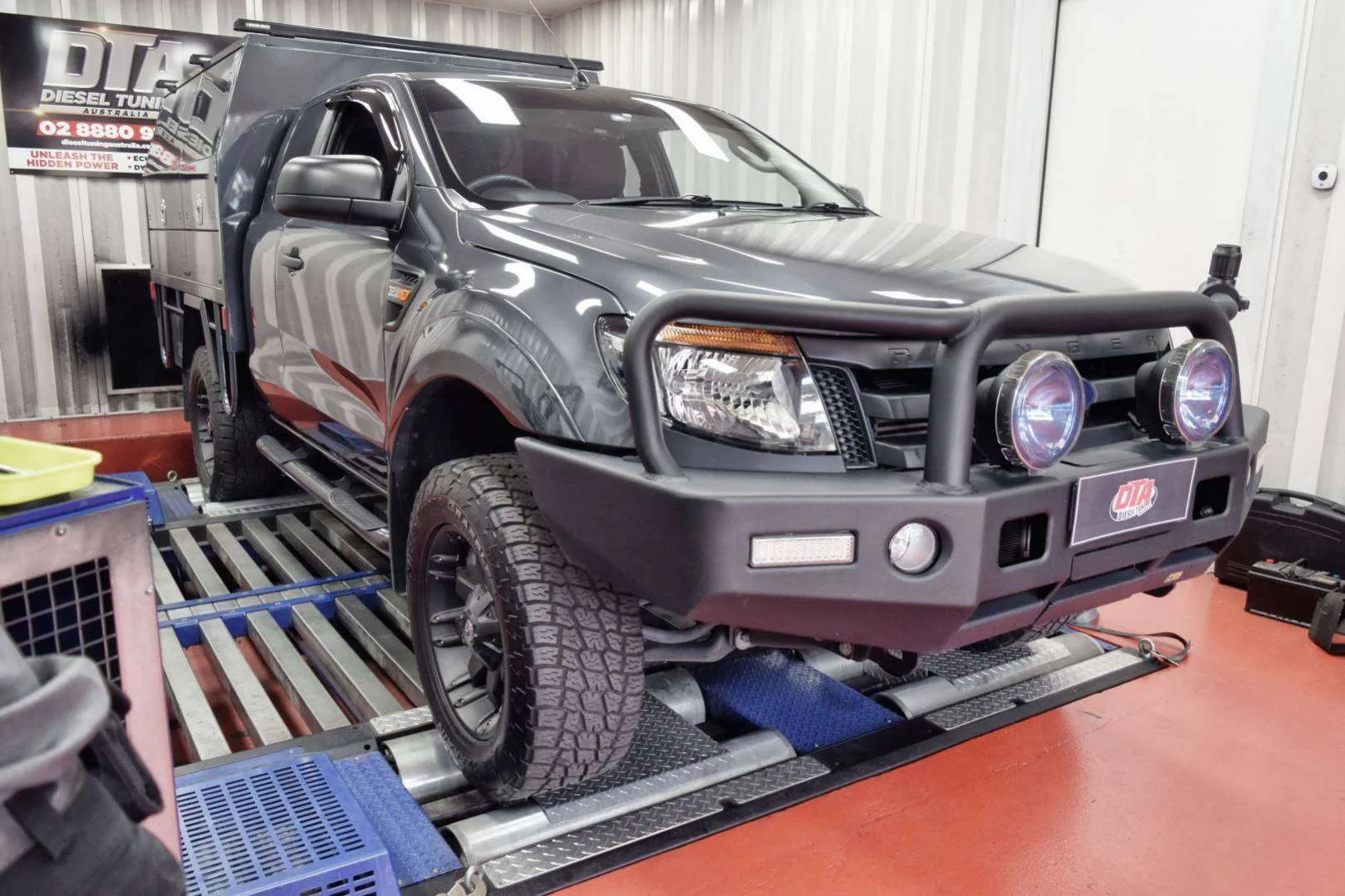
The 2 L 4-cylinder in the BMW 2 Series is a performance diesel — high injection pressure, a variable-geometry or twin turbocharger, and a tight calibration that was set for global emissions targets rather than for what the engine can actually sustain. That's the gap a custom dyno-developed map closes: not more hardware, just a calibration that matches the engine's real capability.
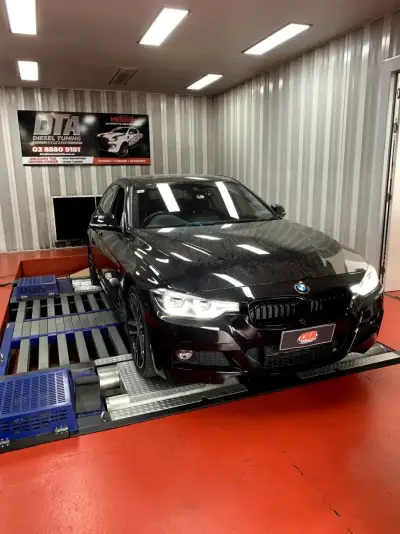
Our dyno-developed map for the BMW 2 Series adds an average of 22 kW (25%) at the wheels and 73 Nm (22%) of engine torque. At this level the car genuinely changes character — overtaking on single-lane highways stops being a commitment, and the mid-range pull from around 1,500 to 3,000 rpm is transformed. You notice it most on the highway on-ramp and in the first third of an overtake.
In practical terms, that works out to around 5 fewer tanks of diesel over 40,000 km. At a typical 15,000 km annual mileage, most BMW 2 Series owners save roughly 132 L and $158 per year at the pump — purely from improved combustion efficiency at part-throttle, where diesels spend most of their time.
This BMW 2 Series variant ran from 2015–2019 — long enough that the factory calibration was revised more than once during that run. Before we flash anything, we identify the exact year and ECU revision, read and back up the original file, and then apply the map built for that specific version.
BMW B47
The B47 (post-2014, 2.0) is a substantial improvement on the N47 — better breathing, better fuelling, friendlier ECU access. The B47 is one of our favourite four-cylinder diesels to tune.